Bottom line: Learning how to start an Etsy shop requires registering an account, configuring transparent shop policies, uploading high-resolution product photos, and understanding platform fee structures. Most sellers can launch a functional storefront for under $20 in initial listing fees.
What you need to know before opening:
- Low initial listing capital: Each published listing costs $0.20 USD for a 4-month active window on the marketplace.
- Mandatory financial documentation: You need a valid government photo ID, matching bank account, and tax registration details.
- Clear policies build buyer trust: Publishing explicit refund, exchange, and delivery estimates prevents customer order disputes.
- Seek professional tax guidance: Consult a certified accountant regarding local business permits, sales tax, and income reporting.
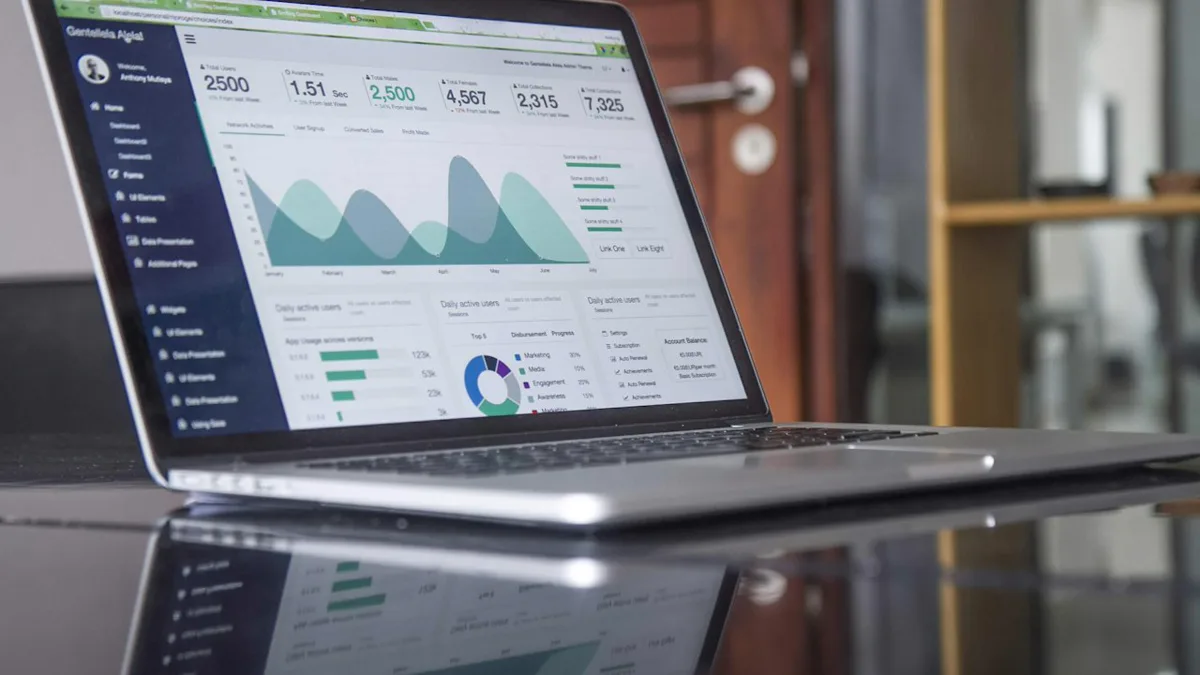
What does it actually cost to start an online craft storefront?
Opening an online craft shop requires minimal initial capital compared to traditional brick-and-mortar storefronts. Basic startup costs center around a $0.20 listing fee per item, initial physical sample materials, and small packaging supplies.
Standard seller accounts carry zero monthly recurring membership charges. You pay fees only when you list inventory or make completed customer sales. This pay-as-you-grow economic model allows creative founders to test product ideas with very low financial risk.
To keep initial expenses low, combine digital mockup workflows from canva mockups with natural window photography described in how to take product pictures. You produce studio-grade catalog imagery using tools you already own.
Understanding total unit economics before launching prevents unexpected margin shrinkage. Applying the pricing formulas from our how to price handmade items guide ensures every transaction contributes positively to your bottom line.
How to start an Etsy shop in six clear onboarding steps
To open your storefront systematically, follow six sequential onboarding steps: account creation, shop naming, inventory draft upload, payment billing setup, policy configuration, and storefront activation.
Completing these steps in an orderly manner ensures all legal, financial, and branding settings are aligned before accepting your first live customer transaction. The table below outlines each phase and its primary milestone output.
| Step | Onboarding Phase | Action Requirements | Core Milestone |
|---|---|---|---|
| 1 | Account Registration | Sign up with dedicated business email and profile | Verified seller user account |
| 2 | Shop Preferences | Select shop language, currency, and memorable name | Unique brand URL and identity |
| 3 | Initial Listing Creation | Upload 5+ photos, title, tags, description, and price | First live product draft ready |
| 4 | Payment & Banking | Connect checking account for electronic direct deposits | Configured seller payout system |
| 5 | Billing & Identity | Provide tax identification number and photo ID verification | Fully compliant legal seller profile |
| 6 | Storefront Polish | Add shop banner, creator bio, and customer policies | Published live marketplace store |
When selecting your shop name in step two, pick a name between 4 and 20 characters that is easy to spell, memorable, and free of registered trademarks. Avoid using narrow product descriptors if you plan to expand your catalog later. A broader lifestyle name gives you room to grow into diverse categories over time.
If you plan to utilize print-on-demand suppliers as described in etsy print on demand, remember to configure your external production partner disclosures in your shop settings during step three.
What 30-day roadmap prepares a smooth shop launch?
A structured 30-day roadmap divides preparation into four distinct weekly sprints: brand conceptualization, inventory production, storefront optimization, and official public launch.
Launching a storefront without an organized timeline often results in published listings with missing tags or incomplete shipping profiles. Staging your launch across four weeks creates a polished, professional buyer experience from day one.
Follow this 4-week launch timeline:
- Week 1 (Concept & Branding): Define your target customer niche, design a 1200×300 pixel shop banner, write your creator story, and open a dedicated business checking account.
- Week 2 (Product Development): Finalize your initial core collection of 10 to 15 merchandise items, order test samples, and produce high-resolution photography.
- Week 3 (Listing Creation): Draft SEO-optimized titles, write detailed material descriptions, assign 13 multi-word tags per item, and configure domestic shipping rates.
- Week 4 (Policies & Go-Live): Publish detailed return policies, review fee schedules, conduct a test checkout transaction, and announce your grand opening across social channels.
Staggering your listing creation during week three ensures you explore top product ideas systematically as outlined in best things to sell on etsy. Publishing a tight, cohesive initial collection gives shoppers multiple items to explore upon arrival.
How do marketplace transaction and payment fees work?
Marketplace fees consist of three primary charges: a $0.20 fixed listing fee, a 6.5% transaction percentage on total item price and shipping, and a payment processing fee (typically 3% plus $0.25 in the United States).
Listing fees remain active for four months or until an item sells. When an item sells, it automatically renews for another four months at $0.20. Transaction fees apply directly to the final checkout value paid by the customer, including any postage charges you collect.
Review this standard fee breakdown on a hypothetical $30 sale:
- Retail Sale Price: $30.00 (Item: $25.00 + Shipping: $5.00)
- Listing Renewal Fee: $0.20 fixed charge upon completed transaction
- Transaction Fee (6.5%): $1.95 (6.5% of total $30.00 transaction)
- Payment Processing (3% + $0.25): $1.15 (3% of $30.00 + $0.25 flat fee)
- Total Platform Fees: $3.30 (approx 11% of total transaction)
- Net Seller Payout: $26.70 (before your product base manufacturing costs)
Factoring platform fees into your base price ensures your business maintains robust profit margins above 35% across every catalog category.
What legal documents and business accounts do you need?
To operate legally and cleanly, you need a dedicated business checking account, a valid government tax identification number, and local business registration if mandated by your municipal jurisdiction.
Commingling personal finances with business revenue complicates bookkeeping and tax reporting. Opening a separate bank account dedicated exclusively to your craft shop simplifies expense tracking, write-offs, and annual tax filings.

Complete these foundational administrative tasks:
- Separate bank account: Connect a dedicated checking account to receive direct deposit payouts and pay supplier invoices.
- Tax identification: In the US, obtain a free Employer Identification Number (EIN) from the IRS to keep your personal Social Security Number private.
- Local permits: Check municipal regulations regarding home-based business registration and seller permits in your local state or city.
- Professional guidance: Consult a qualified tax professional regarding local income tax liabilities and sales tax collection rules.
How do you write protective shipping and return policies?
You write protective shop policies by setting clear processing timelines, detailing accepted payment options, specifying return windows, and outlining customer responsibilities for international customs duties.
Ambiguous policies cause friction when unexpected shipping delays occur. Transparent terms protect your seller rating and set realistic buyer expectations regarding delivery milestones.
Include these core policy clauses in your shop manager:
- Order processing window: Specify exact handling times (for example, 1 to 3 business days for stock items or 3 to 5 business days for personalized orders).
- Return and exchange conditions: Clearly state whether you accept returns within 14 or 30 days, and specify that buyers cover return postage fees.
- Custom order exclusions: State explicitly that personalized or custom engraved items cannot be returned unless delivered damaged.
- Lost transit package protocol: Detail steps required if carrier tracking indicates delivery failure or prolonged package transit.
Final verdict on starting an online shop
Learning how to start an Etsy shop provides an accessible, low-risk springboard into digital e-commerce. By methodically executing onboarding verification, mastering unit fee economics, and establishing clear customer policies, you can build a resilient, profitable online business that grows sustainably over time.
How we researched this guide: Fee and policy details are taken from the platforms’ own help pages, which change often. We used AI to draft the post and then reworked it; nothing here is tax or legal advice.
Sources: Etsy Shop Setup Guide, Etsy Legal Fee Policy, SBA Business Launch Guide.
Seller questions
How much money do you need to open an Etsy shop?
You can open a shop for under $20 in initial listing fees ($0.20 per item), with no recurring monthly membership subscription required for standard accounts.
Do you need a business license to sell on Etsy?
The platform does not require a business license to register, but you should check your local city and state regulations regarding home business permits.
How does Etsy pay sellers for merchandise sold?
Earnings are deposited directly into your connected checking account via electronic bank transfer on a daily, weekly, or monthly payout schedule.
What are the mandatory seller fees for each item sold?
Mandatory fees include a $0.20 listing renewal fee, a 6.5% transaction fee on total order value, and standard payment processing fees (typically 3% + $0.25).