Bottom line: Operating an Etsy print on demand shop allows creative sellers to distribute custom apparel, home decor, and paper goods globally without holding physical inventory. Success requires creating 100% original artwork, disclosing external production partners transparently, and maintaining healthy profit margins above 30%.
What you need to know before launching:
- Production partners are permitted: You can legally use third-party printers if you create or own the original artwork designs.
- Mandatory transparency disclosure: Every outsourced listing must declare the production facility location and manufacturing partner.
- Zero tolerance for infringement: Copying popular brand logos, TV characters, or trademarked catchphrases leads to permanent shop closure.
- Margin management is vital: Base printing fees and marketplace charges require disciplined retail pricing calculations.

How does Etsy print on demand actually work?
Etsy print on demand operates through an integrated digital workflow where a creator uploads original artwork, connects a specialized print supplier, and lists merchandise for sale. When a customer orders, the print supplier manufactures the item and ships it directly to the buyer.
This automated supply chain eliminates upfront inventory risk. You do not need to buy boxes of blank shirts or invest in commercial printing machinery. Your primary investment is creative graphic design, search optimization, and responsive customer communication.
To establish this system smoothly, follow the fundamental steps detailed in our guide on how to start a print on demand business. Setting up automated sync between your shop backend and print provider ensures fulfillment orders route seamlessly without manual data entry.
The marketplace acts as a massive organic discovery engine. Millions of shoppers search daily for unique gift ideas, holiday apparel, and personalized goods. Offering custom designs backed by dependable print fulfillment allows part-time entrepreneurs to scale efficiently.
Automated software connections link your seller dashboard directly with your chosen fulfillment factory. When an order arrives, the customer shipping address and graphic print file transfer automatically to the manufacturing queue. You never have to manually re-type customer addresses or copy tracking numbers back into the order screen.
What are the core differences between print on demand and handmade business models?
The core differences between print-on-demand and a traditional handmade business center on production scalability, labor intensity, initial capital investment, and gross profit margins.
Handmade creators craft each physical piece by hand, which yields higher percentage margins but restricts total output capacity. Print-on-demand creators sacrifice a portion of profit margin to external manufacturers in exchange for unlimited fulfillment bandwidth. The table below outlines how these two models compare across essential operational metrics.
| Business Dimension | Print on Demand Model | Traditional Handmade Model |
|---|---|---|
| Initial Capital Needed | Very Low ($0 to $50 for samples) | Moderate to High ($200 to $2,000 for raw tools) |
| Production Scalability | Virtually unlimited automated volume | Constrained by manual maker hours |
| Average Net Margin | 25% to 40% per item sold | 50% to 75% per item sold |
| Fulfillment Labor | Automated carrier dispatch | Manual packing and physical post office runs |
| Customization Flexibility | Instant digital mockups | Custom physical fabrication per order |
Neither model is inherently superior; many successful storefronts utilize a hybrid approach. A creator might sell handcrafted polymer clay earrings alongside matching print-on-demand graphic totes. Combining product lines diversifies revenue streams while maximizing overall shop appeal.
Consider your personal business goals. If you love the physical act of painting pottery or sewing quilts, a traditional handmade workflow provides deep creative satisfaction. If your strength lies in digital graphic design, marketing copywriting, and scaling catalog volume quickly, the print-on-demand pathway offers rapid operational freedom.
How do you properly disclose production partners?
You properly disclose production partners by navigating to your shop settings, adding the legal business name and physical location of your print provider, and linking that partner profile to every outsourced listing.
Marketplace guidelines require absolute transparency with shoppers. You are not allowed to claim outsourced goods are handmade by you in your home studio. Disclosing your print partner fulfills platform compliance standards and protects your seller account from policy violations.
Follow these steps to configure your production partner profile:
- Access production partner settings: Open your shop manager, click on settings, and select production partners.
- Provide partner details: Enter the partner company name, country, and city where items are physically printed.
- Explain your creative role: Confirm that you personally created the design concepts and artwork files.
- Assign to listings: Select the production partner checkbox on each individual product draft before publishing.
Shoppers appreciate honesty. Clear disclosures set realistic expectations regarding manufacturing lead times and standard postal tracking updates.
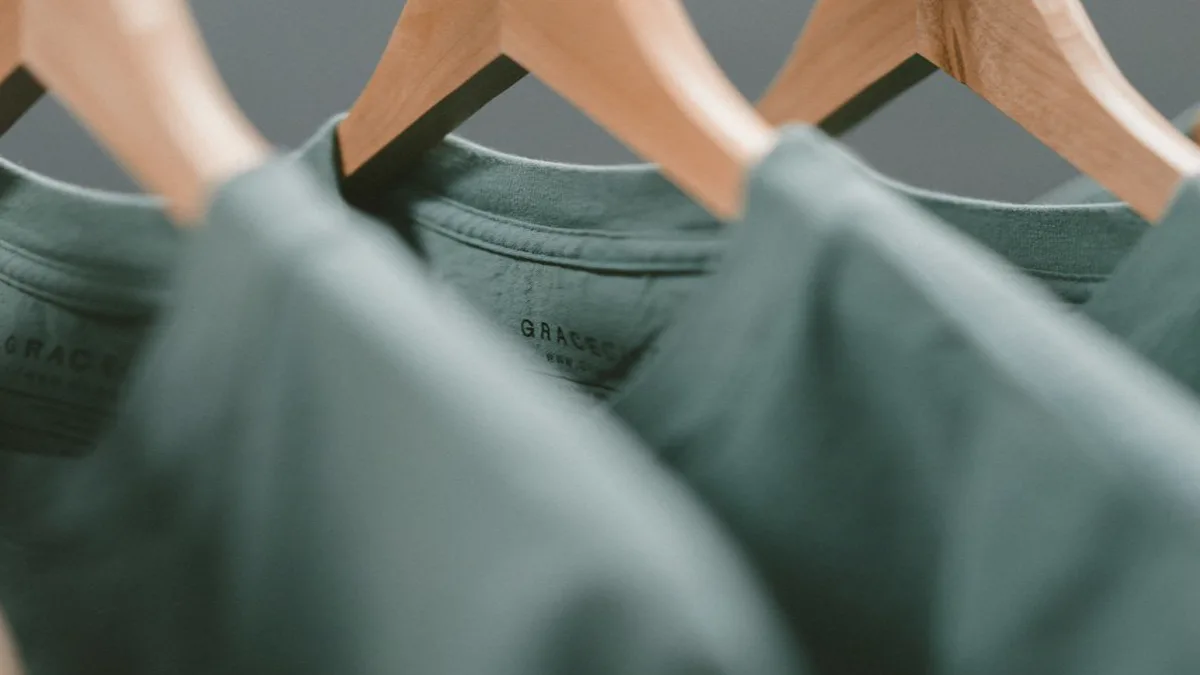
When writing your listing descriptions, include a brief note explaining your collaboration with professional print studios. State clearly that while you personally create every illustration and typography layout, your specialized manufacturing partner handles garment printing and fulfillment. This open communication builds long-term buyer trust.
What intellectual property rules must sellers follow?
Sellers must strictly use original graphic illustrations, properly licensed commercial fonts, or verified public domain assets, avoiding all copyrighted characters, movie logos, and registered trademark phrases.
Intellectual property infringement is the single fastest way to lose an online store. Major entertainment brands and sports leagues employ automated legal bots that scan online marketplaces daily for unauthorized merchandise. Receiving repeated digital copyright takedown notices results in irreversible shop suspension.
Review this intellectual property safety protocol before listing:
- Search the official database: Check candidate slogans in the official trademark database before printing them on merchandise.
- Create original artwork: Draw original illustrations or combine licensed design assets into transformative compositions.
- Ban pop-culture references: Never use movie quotes, celebrity likenesses, video game icons, or designer brand logos.
- Verify commercial font licenses: Ensure every font used in your typography carries a valid commercial usage license.
Building an authentic brand around unique, original concepts creates durable long-term enterprise value. You build a loyal customer audience that seeks out your unique aesthetic rather than relying on risky trending knockoffs.
Do not attempt to bypass keyword filters by inserting subtle misspellings or spaces into trademarked names. Automated marketplace monitoring systems flag account metadata continuously. Focus your creative energy on niche hobbies, botanical illustrations, humorous occupational quotes, and original typography that you own entirely.
How do you price print on demand listings for profit?
To price print on demand listings profitably, sum all direct costs including base print fees, shipping rates, marketplace transaction percentages, and payment processing, then set a retail price that delivers at least a 30% net profit margin.
Many new sellers set prices too low in an attempt to undercut competitors. They quickly discover that after paying listing fees, transaction fees, and shipping costs, they make less than two dollars per sale. Sustainable businesses price items to generate healthy cash flow as explained in is print on demand profitable.
Apply realistic formulas from our comprehensive guide on how to price handmade items. When you position your products with professional photography, rich descriptions, and premium mockups, customers willingly pay fair market rates for quality merchandise.
Factor potential returns and reprint costs into your pricing model. Allocating a 3% reserve buffer into your retail price ensures that occasional shipping replacements or damaged transit packages do not erase monthly profits.
Offer tiered retail bundles and multi-buy promotions to increase your average order value. Selling a set of two ceramic mugs or pairing an illustrated graphic tee with a matching canvas tote bag increases gross order revenue while sharing fixed shipping expenses across multiple items.
What common operational mistakes should new sellers avoid?
New sellers should avoid ordering zero physical product samples, neglecting mock-up quality, publishing low-resolution print files, and failing to provide detailed sizing charts on apparel listings.
Physical sample orders are essential quality control checks. Testing a sample allows you to evaluate fabric softness, inspect print sharpness, and verify how colors render under natural light. Discovering printing flaws on a personal sample prevents dozens of customer complaints later.
Guard against these frequent operational errors:
- Uploading low DPI graphics: Always upload high-resolution print files at 300 DPI in standard CMYK or sRGB color profiles.
- Omitting size charts: Apparel listings must include exact measurement tables in both inches and centimeters to reduce return rates.
- Ignoring customer messages: Respond to buyer questions within 24 hours to maintain high seller responsiveness ratings.
- Using generic mockup templates: Select clean, realistic mockups that display your designs in authentic lifestyle settings.
Monitor your print provider performance during peak Q4 holiday shopping spikes. Manufacturing facilities face massive order backlogs in November and December. Setting conservative shipping transit estimates in your listings protects your on-time fulfillment rating during high-volume sales periods.
Final verdict on Etsy print on demand
Etsy print on demand is a powerful e-commerce model for creative entrepreneurs seeking low-risk entry into online retail. By focusing on original design concepts, adhering strictly to platform partner policies, and enforcing disciplined pricing math, you can build a scalable, profitable store that operates smoothly alongside other daily commitments.
How we researched this guide: Fee and policy details are taken from the platforms’ own help pages, which change often. We used AI to draft the post and then reworked it; nothing here is tax or legal advice.
Sources: Etsy Production Partner Rules, Etsy Marketplace Selling Guidelines, USPTO Trademark Records.
Seller questions
Is print on demand allowed on Etsy?
Yes, print on demand is fully permitted provided you create or own the original artwork and explicitly disclose your third-party production partners.
How do you add a production partner on Etsy?
Navigate to Shop Manager > Settings > Production Partners, input the manufacturer information and location, and assign that profile to your product listings.
What profit margins should you expect from Etsy print on demand?
Most optimized print-on-demand listings achieve net profit margins between 25% and 40% after deducting base printing fees, shipping, and marketplace transaction costs.
What happens if a design infringes on copyright or trademarks?
Infringing listings are removed via formal copyright takedown notices, and repeated policy violations lead to permanent shop suspension.